
-
 1 × ₨ 640.00
 -
 1 × ₨ 480.00
 -
 1 × ₨ 720.00
 -
 1 × ₨ 640.00
 -
 1 × ₨ 150.00
 -
 1 × ₨ 400.00
 -
 1 × ₨ 285.00
 -
 1 × ₨ 960.00
 -
 1 × ₨ 780.00
 -
 1 × ₨ 880.00
 -
-
 1 × ₨ 640.00
 -
 1 × ₨ 800.00
 -
 1 × ₨ 720.00
 -
 1 × ₨ 800.00
 -
 1 × ₨ 960.00
 -
 2 × ₨ 720.00
 -
 1 × ₨ 800.00
 -
 1 × ₨ 800.00
 -
 1 × ₨ 640.00
 -
 1 × ₨ 800.00
 -
 1 × ₨ 720.00
 -
 1 × ₨ 1,280.00
 -

-
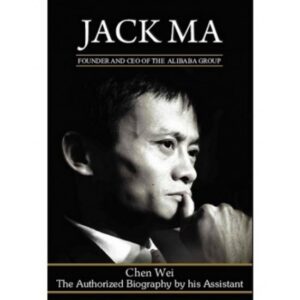 1 × ₨ 472.00
 -
 1 × ₨ 960.00
 -
 1 × ₨ 3,200.00
 -

-
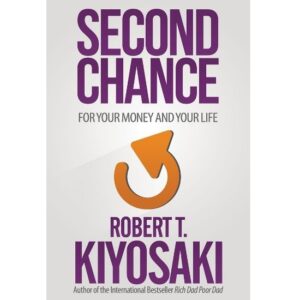 1 × ₨ 840.00
 -
 1 × ₨ 250.00
 -
 1 × ₨ 640.00
 -
 1 × ₨ 550.00
 -
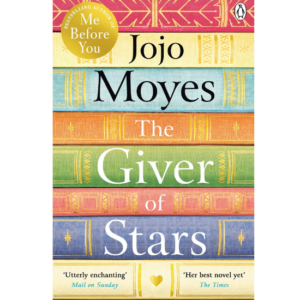 1 × ₨ 800.00
 -
 1 × ₨ 640.00
 -
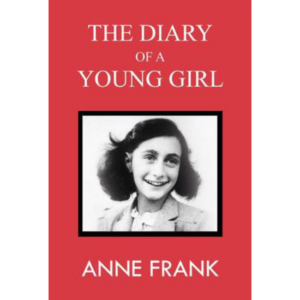 1 × ₨ 565.00
 -

-
 1 × ₨ 800.00
 -
 1 × ₨ 800.00


-
-
The Hidden Hindu Book 3
Who is Nagendra or Om? Parimal and LSD struggle to trust each other while Nagendra is resurrected from the dead, unharmed and more powerful than ever before. Parashurama and Kripacharya are trapped in the collapsed Om’s past while Vrishkapi is fighting against certain death, which has already consumed Milarepa. Leaving the mighty Ashwatthama clueless, the other immortals are dismantled from all fronts.Where are the remaining words hidden? Will Nagendra find them all and complete the verse, or will the immortals be able to stop him? Unravel the unexpected mystery of the doomed immortals, running out of time.₨ 455.00The Hidden Hindu Book 3
₨ 455.00 -

The Holy Vedas
The Vedas are ancient texts that are sacred in India and reknowned the world over.There are four vedas,known as the Rig Veda,the Yajur Veda,the Sama Veda and the Atharva Veda.Vedas teach the three paths to salvation.These paths are jnana(knowledge),bhakti(devotion) and karma(action).
The Rig Veda is identified with the path of knowledge,the Yajur veda with the path of action and the Sama veda with the path of devotion. A honest effort has been made in this Book to explain the contents of the Vedas in easy to follow language.
₨ 800.00The Holy Vedas
₨ 800.00 -
The Odyssey (Penguin Black Classics)
Sing to me of the man, Muse, the man of twists and turns
driven time and again off course, once he had plundered
the hallowed heights of Troy.So begins Robert Fagles’ magnificent translation of the Odyssey.
If the Iliad is the world’s greatest war epic, then the Odyssey is literature’s grandest evocation of everyman’s journey though life. Odysseus’ reliance on his wit and wiliness for survival in his encounters with divine and natural forces, during his ten-year voyage home to Ithaca after the Trojan War, is at once a timeless human story and an individual test of moral endurance.
In the myths and legends that are retold here, Fagles has captured the energy and poetry of Homer’s original in a bold, contemporary idiom, and given us an Odyssey to read aloud, to savor, and to treasure for its sheer lyrical mastery.
Renowned classicist Bernard Knox’s superb Introduction and textual commentary provide new insights and background information for the general reader and scholar alike, intensifying the strength of Fagles’ translation.
This is an Odyssey to delight both the classicist and the public at large, and to captivate a new generation of Homer’s students.
—
Robert Fagles, winner of the PEN/Ralph Manheim Medal for Translation and a 1996 Academy Award in Literature from the American Academy of Arts and Letters, presents us with Homer’s best-loved and most accessible poem in a stunning new modern-verse translation.
₨ 560.00The Odyssey (Penguin Black Classics)
₨ 560.00 -